What makes PLC systems ideal for metals production automation?
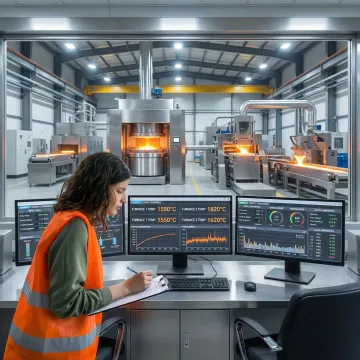
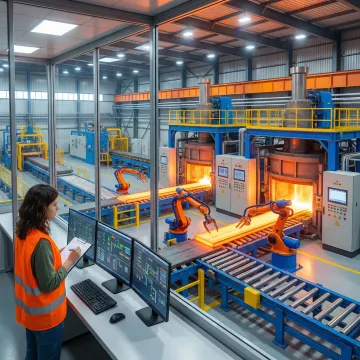
PLC systems excel in metals production due to their ability to operate reliably in harsh environments with extreme temperatures, dust, and vibration. They provide real-time control over critical processes like furnace temperatures, material handling sequences, and safety interlocks. PLCs offer deterministic performance for time-critical operations, can be programmed for complex metallurgical sequences, and integrate seamlessly with sensors, drives, and HMIs to create comprehensive automation solutions that improve consistency, reduce scrap, and enhance operator safety.
How long does PLC system implementation take for a metals facility?
Implementation timelines vary based on project scope, from 4-8 weeks for single-line automation upgrades to 6-12 months for complete facility automation projects. Our ISO-9001 certified project management process includes detailed planning, phased implementation, and thorough testing to minimize production disruptions. We work closely with your operations team to schedule installation during planned maintenance windows and provide comprehensive training to ensure smooth transitions and rapid return to full production capacity.
Can you integrate new PLC systems with our existing equipment?
Absolutely. We specialize in integrating modern PLC automation with legacy metallurgical equipment, regardless of age or manufacturer. Our engineers assess your current systems, identify optimal integration points, and design custom interfaces that preserve your equipment investment while adding advanced control capabilities. We work with multiple PLC platforms and communication protocols to ensure seamless data exchange between new automation components and existing furnaces, rolling mills, and material handling systems.
What ongoing support do you provide after PLC installation?
We offer comprehensive post-installation support including 24/7 emergency troubleshooting, remote system monitoring, preventive maintenance programs, and periodic system optimization reviews. Our support services include firmware updates, program backups, spare parts availability, and ongoing training for your maintenance staff. We also provide performance analysis and system enhancement recommendations to help you continuously improve production efficiency as your operational needs evolve.
How do PLC systems improve safety in metals production?
PLC-based automation enhances safety through multiple mechanisms: automated safety interlocks prevent hazardous equipment interactions, real-time monitoring detects abnormal conditions before they become dangerous, and programmed sequences eliminate manual intervention in high-risk zones. PLCs can implement emergency shutdown procedures, coordinate lockout-tagout protocols, and maintain detailed logs for safety audits. This reduces operator exposure to extreme temperatures, molten metal, and heavy machinery while ensuring consistent adherence to safety protocols.
What ROI can we expect from PLC automation investment?
Most metals manufacturers realize ROI within 12-24 months through increased throughput, reduced scrap rates, lower energy consumption, and decreased downtime. Specific returns vary by application, but typical improvements include 15-30% reduction in cycle times, 20-40% decrease in quality defects, and 10-25% energy savings through optimized process control. Beyond quantifiable savings, PLC automation provides strategic advantages including improved production flexibility, enhanced traceability, and better data for continuous improvement initiatives.
Do you provide training for our operators and maintenance staff?
Yes, comprehensive training is integral to every PLC implementation. We provide customized training programs covering system operation, basic troubleshooting, and maintenance procedures tailored to your team's technical background. Training includes hands-on sessions with your specific equipment, detailed documentation, and ongoing support resources. We also offer advanced programming courses for your technical staff and can provide refresher training as needed to ensure your team maximizes the capabilities of your automation investment.
What PLC brands and platforms do you work with?
As a Rockwell Systems Bronze Partner, we specialize in Allen-Bradley ControlLogix, CompactLogix, and MicroLogix platforms, which are industry standards for metals production. We also have extensive experience with Siemens, Schneider Electric, Mitsubishi, and other major PLC manufacturers. Our platform-agnostic engineering approach allows us to recommend the optimal solution for your specific application requirements, existing infrastructure, and long-term automation strategy while ensuring you're not locked into proprietary systems.