What is PLC system for chemical industry?
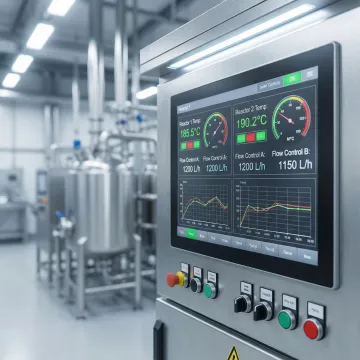
A PLC (Programmable Logic Controller) system for the chemical industry is a specialized industrial computer that automates and controls chemical processing operations. It manages critical functions including batch sequencing, recipe management, temperature and pressure control, material dosing, mixing processes, and safety interlocks. PLC systems provide precise, repeatable control of chemical reactions while ensuring compliance with safety regulations and maintaining detailed production records for quality assurance and regulatory reporting.
What are the key benefits of PLC automation in chemical processing?
PLC automation delivers enhanced process consistency and product quality through precise control of reaction parameters, reduced labor costs through automated batch operations, improved safety via integrated emergency shutdown and alarm systems, increased throughput by optimizing cycle times, better regulatory compliance with detailed audit trails and reporting, reduced waste through accurate ingredient dosing, and real-time visibility into process performance for data-driven decision making.
How long does it take to implement a PLC system for a chemical processing facility?
Implementation timelines vary based on project scope, complexity, and facility size. A typical PLC automation project ranges from 8-16 weeks, including design, programming, factory testing, installation, and commissioning. Smaller upgrades or modifications may take 4-6 weeks, while large-scale greenfield installations can extend to 20+ weeks. We provide detailed project schedules during the planning phase and work efficiently to minimize disruption to your production operations.
Can you integrate new PLC systems with our existing chemical processing equipment?
Yes, we specialize in integrating modern PLC systems with legacy equipment and existing infrastructure. Our engineers have extensive experience working with various chemical processing equipment manufacturers, instrumentation protocols, and communication standards. We design integration solutions that preserve your capital investments while adding advanced automation capabilities, improved monitoring, and enhanced control—all without requiring complete equipment replacement.
What safety features are included in chemical processing PLC systems?
Our PLC systems incorporate multiple layers of safety including emergency shutdown (ESD) logic, high/low limit alarms for temperature and pressure, hazardous gas detection integration, redundant safety processors, fail-safe valve control, operator lockout/tagout procedures, detailed alarm management with prioritization, and comprehensive audit logging. All safety systems are designed to meet OSHA, NFPA, and industry-specific safety standards for chemical processing operations.
Do you provide training for our operators and maintenance staff?
Absolutely. Comprehensive training is included with every PLC system implementation. We provide customized training programs for operators covering system operation, recipe management, alarm response, and basic troubleshooting. Maintenance staff receive in-depth technical training on PLC programming, diagnostics, hardware maintenance, and system modifications. We also deliver detailed documentation including control narratives, wiring diagrams, and maintenance procedures.
What ongoing support do you offer after PLC system installation?
We provide comprehensive post-installation support including remote diagnostics and troubleshooting, on-site emergency service, system optimization and performance tuning, software updates and upgrades, spare parts availability, refresher training sessions, and programming modifications as your processes evolve. Our team remains your long-term partner, ensuring your PLC systems continue delivering optimal performance and supporting your business growth.
How much does a PLC automation system for chemical processing cost?
PLC system costs vary significantly based on facility size, process complexity, number of control points, safety requirements, and integration scope. Small batch control systems may start around $50,000-$75,000, while comprehensive facility-wide automation can range from $200,000 to $500,000+. We provide detailed cost estimates after conducting a thorough assessment of your specific requirements. Contact us for a free consultation and customized quote for your chemical processing facility.