What types of chemical processes can your automation systems handle?
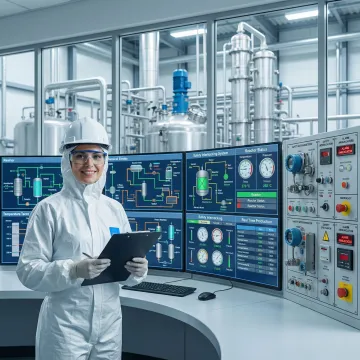
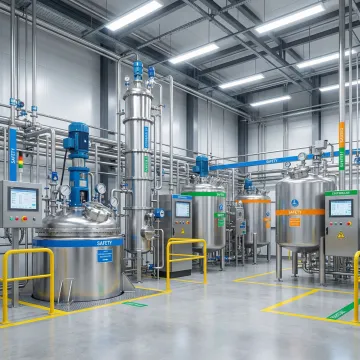
Our automation solutions support both batch and continuous chemical processes, including mixing, reactor operations, distillation, crystallization, filtration, material handling, and packaging. We design systems for specialty chemicals, commodity chemicals, polymers, coatings, and process chemicals with appropriate safety instrumentation and hazardous area classifications.
How do you ensure automation systems meet chemical industry safety standards?
We implement Safety Instrumented Systems (SIS) designed to IEC 61511 standards, incorporate proper hazardous area classifications, utilize intrinsically safe instrumentation where required, and design fail-safe logic with appropriate redundancy. Our certified PE engineers ensure all designs meet OSHA, EPA, and industry-specific regulatory requirements.
Can you integrate automation with existing chemical plant infrastructure?
Yes, we specialize in integrating new automation systems with existing DCS, PLC, SCADA, and legacy control systems. Our engineers assess current infrastructure, identify compatibility requirements, and design seamless integration strategies that minimize production disruptions while enhancing overall system capabilities and connectivity.
What is your approach to process optimization in chemical manufacturing?
We employ advanced process control strategies including model predictive control, real-time optimization, and statistical process control to maximize yield, improve product consistency, reduce energy consumption, and minimize waste. Our solutions incorporate process analytical technology for continuous quality monitoring and automated adjustment.
How long does a typical chemical automation project take?
Project timelines vary based on scope and complexity. Small control system upgrades may take 4-8 weeks, while comprehensive facility automation projects typically require 3-9 months including design, FAT, installation, commissioning, and operator training. We provide detailed project schedules during our initial consultation and assessment phase.
Do you provide ongoing support after automation system installation?
Absolutely. We offer comprehensive post-installation support including preventive maintenance, troubleshooting, system optimization, software updates, spare parts management, and emergency response services. Our team provides remote diagnostics capabilities and on-site support throughout Georgia, Alabama, Tennessee, and surrounding states.
What cybersecurity measures do you implement for chemical plant networks?
We implement defense-in-depth cybersecurity strategies including network segmentation, firewalls, secure remote access solutions, user authentication protocols, and intrusion detection systems. Our solutions comply with NIST cybersecurity framework and chemical industry-specific security guidelines to protect critical control systems.
Can your systems help with regulatory compliance and reporting?
Yes, our automation solutions include data historians, electronic batch records, audit trails, and automated reporting capabilities that support FDA, EPA, OSHA, and other regulatory compliance requirements. We design systems with proper documentation, validation protocols, and traceability features for chemical manufacturing operations.