What is level 3 automation in steel industry?
Level 3 automation in the steel industry represents Manufacturing Operations Management (MOM) or Manufacturing Execution System (MES) functionality. This automation level sits between enterprise planning systems (Level 4) and process control systems (Level 2), managing production workflow, quality control, material tracking, and performance analysis. Level 3 systems coordinate multiple production units, optimize scheduling, and provide real-time production data to improve efficiency and quality in steel manufacturing operations.
How can automation improve metal processing efficiency?
Automation significantly improves metal processing efficiency by eliminating manual operations, reducing human error, optimizing process parameters in real-time, and enabling consistent quality control. Automated systems monitor critical variables continuously, adjust processes instantly, minimize material waste, reduce energy consumption, and maximize equipment uptime. This results in higher throughput, lower production costs, improved product consistency, and enhanced workplace safety.
What types of metal processing operations can be automated?
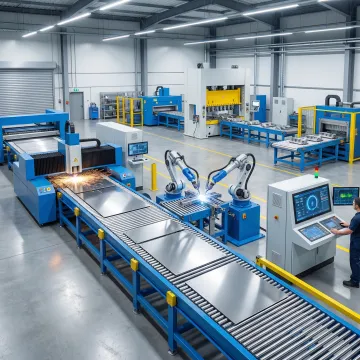
Virtually all metal processing operations can benefit from automation, including rolling mills, cutting and shearing systems, forming and stamping equipment, heat treating furnaces, surface treatment lines, material handling and storage systems, quality inspection processes, and packaging operations. Our automation solutions are customizable to specific metal types, production volumes, and manufacturing requirements.
Will automation integrate with our existing metal processing equipment?
Yes, our automation solutions are designed to integrate seamlessly with existing metal processing equipment from various manufacturers. We have extensive experience interfacing with legacy systems, PLCs from multiple vendors, and proprietary control systems. Our engineering team evaluates current equipment during the assessment phase and designs integration strategies that preserve your existing investments while adding advanced automation capabilities.
What is the typical ROI for metal processing automation investments?
Most metal processing automation projects deliver ROI within 12-36 months through increased production capacity, reduced labor costs, decreased material waste, lower energy consumption, improved quality consistency, and minimized downtime. Specific ROI depends on current operational efficiency, production volume, and automation scope. We provide detailed cost-benefit analysis during the design phase to project expected returns for your facility.
How long does it take to implement metal processing automation?
Implementation timelines vary based on project scope, system complexity, and facility requirements. Simple PLC upgrades may take 2-4 weeks, while comprehensive automation systems for entire production lines typically require 3-6 months from initial assessment through commissioning. We provide detailed project schedules during the design phase and work efficiently to minimize production disruptions during installation.
Do you provide training for our operators and maintenance staff?
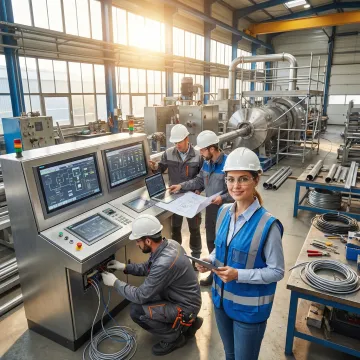
Yes, comprehensive training is included with every automation implementation. We provide hands-on operator training covering system operation, HMI interfaces, troubleshooting basics, and safety procedures. Maintenance personnel receive technical training on system architecture, programming fundamentals, diagnostic tools, and preventive maintenance protocols. We also deliver detailed documentation and ongoing support to ensure your team maximizes automation system performance.
What ongoing support do you provide after automation installation?
We offer comprehensive ongoing support including 24/7 emergency troubleshooting assistance, remote diagnostics and system monitoring, scheduled preventive maintenance, software updates and system optimization, spare parts availability, and periodic performance reviews. Our support relationships are designed to maximize uptime, continuously improve system performance, and adapt automation systems as your metal processing operations evolve.